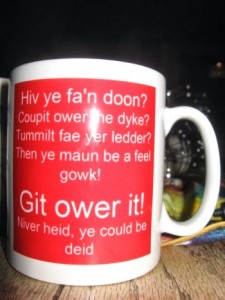
The subject of whiplash injuries continues to appear regularly in the news and in this post we're looking at the mechanism of the typical whiplash injury. The medical difficulty which exists in proving the existence and extent of these injuries means there’s always going to be doubters shouting (sarcastically) “Git ower it!” at people who claim compensation for whiplash. The Westminster Government say they are going after the “whiplash fraudsters” who invent or at least exaggerate their injuries following road traffic accidents. On the other hand, if you’ve ever suffered a whiplash injury yourself you will know what a miserable experience it can be, interfering with all areas of daily life. During Road Safety Week (18-24 November 2013), the Association of Personal Injury Lawyers (APIL) has been encouraging prevention of whiplash injuries by motorists avoiding the dangerous practice of tailgating the vehicle in front. The classic whiplash accident scenario The classic Continue Reading
Accident Claims: Choose Your Solicitor (rather than having one forced upon you)
We are often contacted in situations where you, as the injured person, have been in touch with your insurers following an accident and they have recommended particular solicitors to you to deal with your claim. Situations where insurers recommend particular solicitors The types of insurance scenarios here include cover under motor insurance, house insurance and legal expenses insurance. It seems to be regularly the case that you will be left with the feeling from your discussion with your insurer that you have “no choice” but to go along with what they suggest. The solicitor is effectively appointed for you. They will probably not be local to you. You can choose your solicitor In truth, you do have a choice. First of all, you need to understand that many insurers have commercial relationships with the solicitors they recommend or appoint. The firms in question are often large and will delegate the bulk of the work on your case to non-solicitors. Secondly, as a Continue Reading
Moray Library Closures, Judicial Review and Legal Costs
In the wake of the Press Call in Elgin on 11 November 2013 which announced Vivien Hendry as the Moray resident who seeks to challenge the validity of Moray Council’s decision to close 7 out of 15 public libraries in the area, questions have been asked about the legal costs which might be involved (see the comments below the Northern Scot article here). Peter Brash of Grigor & Young is Ms Hendry’s solicitor. Getting counsel’s opinion on the prospects of success The first contact was when a group of people from “Save Our Libraries (Moray)” got in touch with Grigor & Young, seeking legal advice about the proposed closures. It was apparent that any challenge would have to be by way of Judicial Review - which is not an area of law that comes up often for most solicitors in private practice. Judicial Review proceedings can only be raised in the Court of Session, the highest civil court in Scotland. The Court of Session sits only in Edinburgh. The way forward was Continue Reading
12 Taxi Safety Precautions for a Happy Night Out
Late one November night in 2003, 20-year-old Stephanie Hammill was with her fiancé when they flagged down what proved to be an unlicensed cab in Wakefield, West Yorkshire. She got in first and the car sped off before her fiancé could join her. Clearly terrified of being attacked or abducted, she jumped from the moving cab and was struck and fatally injured by another car. This tragic case highlights the "deadly danger" of bogus cabs. The Scale of the Unlicensed Taxi Problem in Cities The website Taxiregister.com refers to startling statistics from London that:- about 10 women are attacked each month after taking an unlicensed minicab; and 80% of “stranger” rapes are committed by unlicensed cab drivers. Unlicensed Taxis in Moray In a rural area, it is easy to be oblivious to the dangers posed by bogus cabs. In July 2013, the Moray Council gave out a warning about unlicensed taxis operating in Buckie. In Moray, a licensed taxi can be identified by the Continue Reading