When a serious workplace or road traffic accident happens, immediate public attention naturally focuses on the injured person.
That includes everything from hospital admissions to broken bones, surgery, and the physical pain suffered by the individual.
However, an injury is never an isolated event. When someone suffers a life-changing accident, the impact reverberates far beyond the Emergency Department. The knock-on effects can seriously disrupt the daily lives, emotional stability and financial security of their entire family.

To shed light on this broader human cost, the Association of Personal Injury Lawyers (APIL) launched its Rebuilding Shattered Lives campaign.
As APIL Chief Executive Mike Benner highlighted in one of APIL’s periodic updates on the campaign, suffering a serious injury is never a solo journey. The consequences spread outward like ripples from a stone thrown into a pond, touching spouses, young children, extended relatives, and close friends. Understanding this domino effect is essential for any injury victim and their family navigating the difficult aftermath of a personal injury accident.
When you throw a stone into still water, the initial splash occurs at a single point but the displacement creates expanding waves that alter everything in their path. As a metaphor to describe how negligence and workplace accidents operate in real life, while the injured person bears the physical trauma, their family members are immediately drawn into a secondary vortex of emotional distress, practical caregiving and financial upheaval.
The APIL campaign emphasises that personal injury compensation is not about a windfall or a “lottery win”.
Instead, it is about fairness. It is a crucial legal mechanism designed to restore balance to a household whose foundation has suddenly been fractured by another party’s negligence.
Where the injured person may be subject to hospitalisation, severe pain, loss of mobility and an inability to perform basic self-care, the experience of other family members may include round-the-clock informal caregiving, managing their loved ones’ medical schedule and a sudden increase in responsibility for domestic duties.
For the injured person, there is possible shock, loss of independence, depression and feelings of guilt or worthlessness; for their family, secondary trauma, anxiety and the need to guide confused children through abrupt changes in family dynamics.
Injury brings with it the risk of total or partial loss of earnings through inability to work or return to your trade. Your family may then experience a sudden drop in household income, perhaps leading to mortgage or rent arrears and generally mounting debt. And this at a time when your increased care needs as the injured person may mean that your spouse or partner is forced to reduce their hours of paid work in order to cover your requirements.
Injury can also mean social isolation, loss of hobbies and reduced social life.
When a Father Goes from Provider to Dependent (Chris’s Story).
A striking illustration of the knock-on effect comes from Chris’s Story, featured in the APIL Rebuilding Shattered Lives campaign film.
Chris was a hardworking installation engineer fitting mezzanine floors in commercial buildings. In an instant, his life was put on hold when he stepped onto an unsecured floorboard that had been left “unlocked” by a colleague. The board gave way like a trapdoor beneath him, causing him to plunge to the ground below.
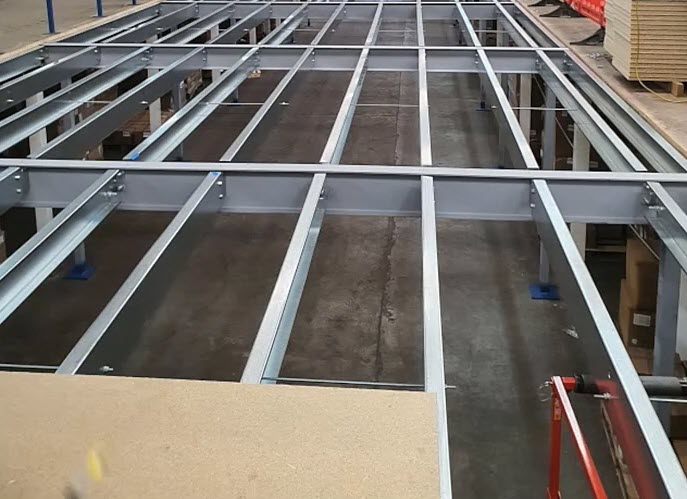
The physical injuries Chris sustained were severe: T11 and T12 spinal fractures, ruptured nerve endings in his legs and feet, a punctured lung, and a bleed on the brain. Yet, when Chris reflects on his ordeal, his deepest distress stemmed not from his physical wounds but from the sudden collapse of his role within his young family.
In his own words, Chris went from being a strong, healthy father who could “do anything for my wife and kids” to being able to do “nothing” for them.
Stripped of his ability to work and support his household, Chris felt an overwhelming sense of failure as a husband and father.
As weeks turned into months without adequate NHS recovery support, the mental toll grew unbearable. Struggling with severe depression and feeling like a burden to those he loved, Chris reached such dark places that he attempted to take his own life on two separate occasions.
Personal injury results in an unseen burden on family carers and children.
While Chris battled his physical injuries and psychological despair, his wife was thrust into an exhausting, multi-faceted caregiving role.
She found herself managing three distinct layers of crisis simultaneously:
- Her own trauma in having to process the shock and grief of seeing her partner severely injured and facing an uncertain future.
- Supporting their young children and helping them understand why their active, fun-loving dad could no longer play with them or move without pain, while managing their fears and behavioural reactions.
- Full-time practical nursing, providing constant physical care for Chris – helping him eat, dress and move around – while running the household entirely on her own.
As Mike Benner points out in the APIL article, this scenario is all too common.
When an injured person cannot perform basic tasks, spouses and partners frequently have to reduce their working hours or leave employment altogether to become unpaid carers. This double-blow of losing the primary earner’s wage while simultaneously cutting the secondary earner’s hours piles immense pressure on family relationships.
In many cases across rural communities, extended family members such as grandparents, aunts and uncles must step in to cover childcare, drive patients to distant hospital appointments or assist with daily chores.
Serious personal injury to a family member can leave a legacy of dented dreams and financial fallout in its wake.
Beyond the immediate caregiving crisis, serious injuries interrupt the long-term trajectory of family life. APIL’s insights highlight several hidden ways that personal injury ripples through a household:
Debt and housing insecurity: With reduced household income, families quickly erode their emergency savings, face difficulties paying mortgages or rent and run the risk of falling into debt.
Abandoned life plans: Couples may have to postpone or completely abandon plans to buy a home, renovate or expand their family with another child.
Loss of career progression: A spouse caring for their injured partner may miss out on career advancements or training opportunities due to their caregiving commitments at home.
Loss of community connections: When an injured parent is forced to give up volunteering -such as coaching a local youth football team or participating in community groups -the loss reverberates through the wider neighbourhood.
How a Personal Injury Claim can protect and rebuild the family unit.
It is a common misconception that personal injury claims are purely about seeking monetary compensation for the injured person.
In reality, engaging an experienced specialist personal injury solicitor allows families to access vital legal tools that can help to heal the entire household unit.
a. A personal injury claim can unlock privately-funded rehabilitation.
Under established legal frameworks such as the Rehabilitation Code of Practice, your solicitor can negotiate directly with the at-fault party’s insurer to fund private medical treatment.
In Chris’s case, after four or five months of waiting for NHS physiotherapy with no progress, instructing personal injury solicitors transformed his recovery. The claim secured private physiotherapy, hydrotherapy, and specialist psychotherapy. His counsellor provided the crucial psychological support that ultimately saved his life and restored his mental stability.
b. A personal injury claim can relieve financial strain and cover care costs even if they have been delivered “free”.
A personal injury claim calculates compensation not just for physical pain and suffering, but for the economic loss suffered by the whole family.
This includes past and future loss of earnings, replacing the income lost while the injured person is unable to work. It also includes gratuitous care claims – which recognise and financially compensate close family members (such as spouses, parents and children) for the hours of informal nursing and care they provided. Another possibility is funding of home modifications, mobility aids and private transport so the family can regain independence.
c. A personal injury claim can help to lift the weight of misplaced guilt.
Many injured workers initially blame themselves for an accident, just as Chris did
He assumed he should have checked the flooring more thoroughly, despite being new to the job.
Working with the help of a solicitor exposes employer safety breaches, such as failure to provide proper Personal Protective Equipment (PPE) or safe systems of work when working at height. For the injured person, knowing that legal fault can be established against the employer helps to remove the toxic burden of self-blame, allowing the injured person and their family to heal with dignity.
How we can help
If someone in your family has suffered a serious injury at work, on the road or in a public place, remember that you do not have to carry the emotional and financial load alone.
The legal system exists to help families rebuild their lives and secure the care, stability and peace of mind they deserve.
Though we have accredited legal specialists in personal injury law, we operate as a High Street practice in the north-east of Scotland.
We like to think we offer caring, approachable and plain-spoken legal advice.
If we think we can help you directly, we will take the time to listen to your story, understand how the injury has affected your wider family and guide you step-by-step through the recovery process.
Whether you need advice on securing private rehabilitation, recovering lost household wages or simply want to know where you stand, please contact our friendly team today for an informal, confidential chat.
You can call us on 01343 544077 or send us a Free Online Enquiry.

